
If you want to stop replacing your pneumatic equipment every few months, you need to talk about air preparation. Running tools on raw, untreated compressed air is a fast track to a seized motor. The secret to extending your tool’s lifespan is simple: proper filtration, regulation, and using in-line lubricators to keep everything moving smoothly.
Let’s look at how setting up a clean air system saves your budget, your tools, and your sanity on the job site.
Why Do Pneumatic Tools Need a Lubricator Anyway?
Air tools move fast, generate high friction, and hate moisture. When compressed air is generated, it naturally traps water, dirt, and pipe scale. If that cocktail hits your tool’s internal vanes and cylinders dry, it creates a grinding paste that destroys seals and rots metal from the inside out.
A lubricator introduces a fine, consistent mist of oil into the air stream. This oil coats the moving parts, reduces heat, prevents rust, and seals clearances to maintain your tool’s torque and power. Without it, you are basically running a car engine without motor oil.
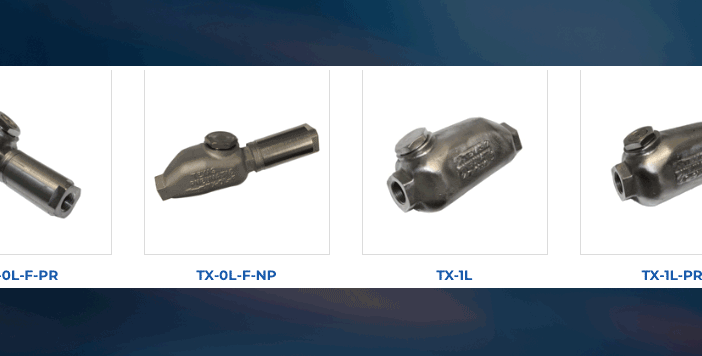
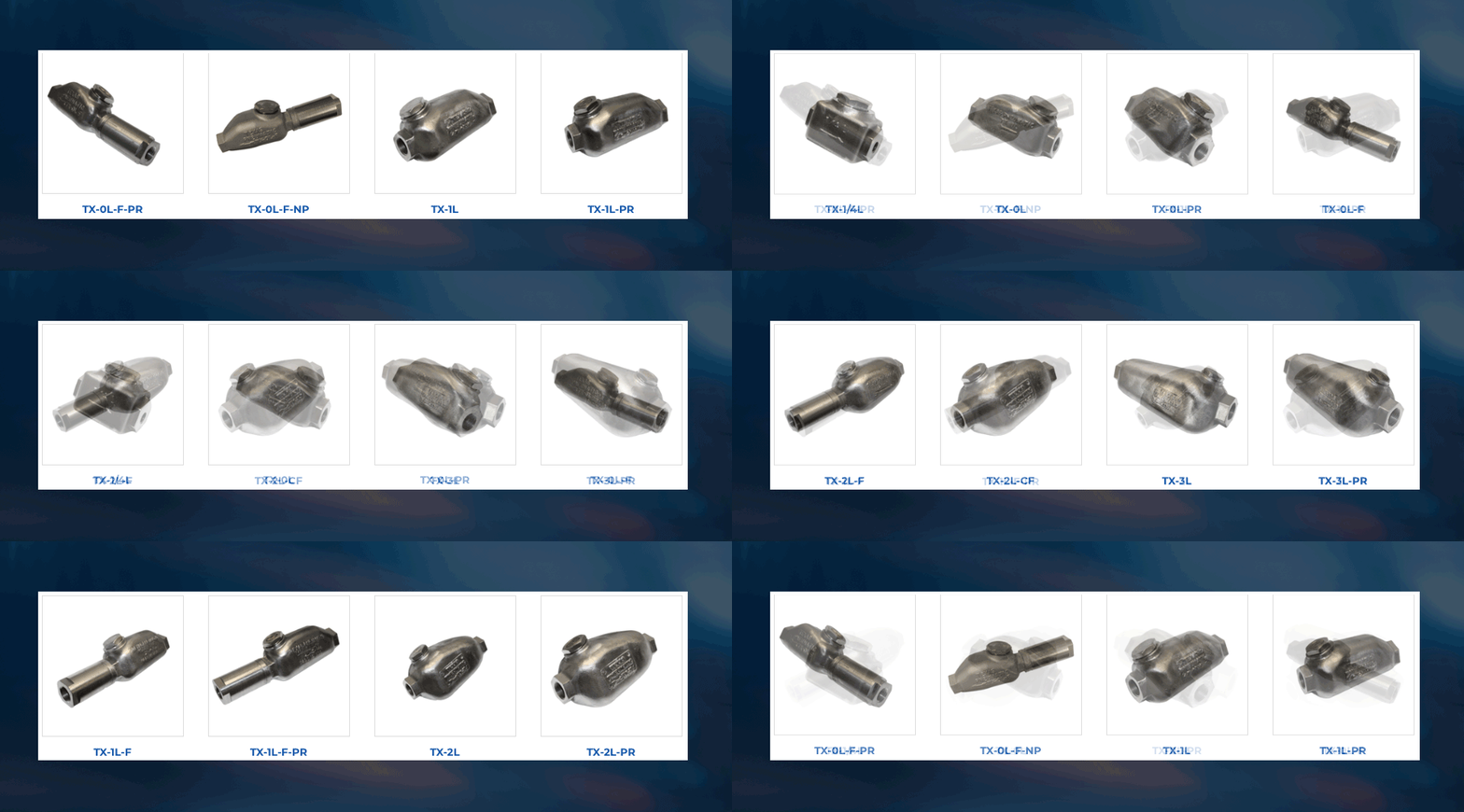
Lubricators have been part of our business from the very beginning because we quickly saw the rapid deterioration of competitor products without proper lubrication—from impact wrenches to grinders to precision tool hammers. Our line is made to work perfectly with our products as well as equipment from other manufacturers to ensure continuous protection over the tool’s entire lifespan, directly leading to lower maintenance and repair costs for your fleet.
The Trio of Total Protection: Filters, Regulators, and Lubricators (FRL)
To get the most out of your setup, you want your air to pass through three stages before it ever touches a tool:
-
The Filter: Catches the water condensate, rust, and dirt before it enters the system.
-
The Regulator: Keeps your air pressure steady. Running a tool at 120 PSI when it’s rated for 90 PSI won’t make it work faster—it just breaks the internal parts, destroys seals, and wears out the motor ahead of schedule. Consistent pressure equals a predictable tool lifespan.
-
The Lubricator: Using in-line lubricators is the final touch that keeps the tool oiled.
Where Do You Place In-Line Lubricators for Best Results?
If you are working far away from a main compressor, a permanently mounted FRL station on the wall won’t help you; the oil will just settle inside the long hose line before it reaches your tool. This is where portable in-line lubricators save the day.
For the most effective installation, place your in-line lubricator roughly 6 to 8 feet back from the tool, usually built right into a hose whip assembly.
Placing it here gives you two distinct advantages:
-
Perfect Atomization: It’s close enough that the oil mist actually reaches the tool’s air inlet instead of coating the inside of a 50-foot hose.
-
Safety: It keeps the heavy, cast-aluminum body of the lubricator on the ground, away from the operator, acting as a buffer if a quick-disconnect coupling ever lets go under pressure.
Pro-Tip for New Setups: When installing new in-line lubricators on a hose whip assembly, pour about half an ounce of air tool oil directly into the hose line first. This ensures the tool gets immediate lubrication while the new hose is getting its initial coating.